Truck & Car Guides / Trailers & loads
Flatbed and step deck trailers
Open-deck trailers haul steel, lumber, machinery and anything too big for a box. Here is how flatbeds and step decks compare and what flatbed drivers actually do.
The flatbed
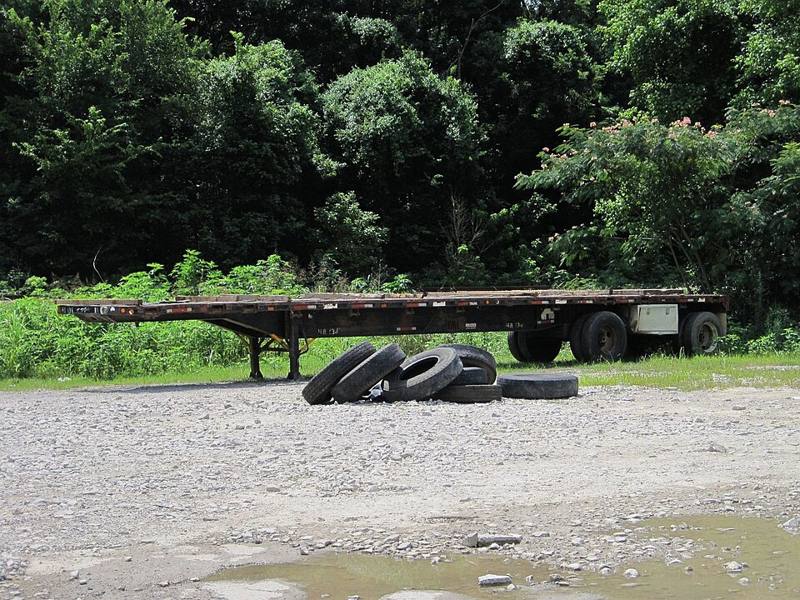
A flatbed is exactly what it sounds like: a flat deck with no sides or roof. Common lengths are 48 and 53 feet, with a standard width of 102 inches. The deck usually sits around 5 feet off the ground. Because loads can be placed from the sides or from above, flatbeds carry freight that a dock and forklift cannot easily push into a box:
- Steel coils, beams, rebar and plate
- Lumber and building materials
- Pipe, conduit and poles
- Machinery and equipment
- Precast concrete
Aluminum, steel and combo decks
Flatbeds are built in steel, aluminum or a combination. Aluminum is lighter, which allows more payload under the 80,000-pound gross limit. Steel is tougher and cheaper. Combo trailers try to balance the two.
The step deck (drop deck)
A step deck has two levels: a short upper deck over the tractor's fifth wheel and a long lower deck behind it. The lower deck is commonly around 3.5 feet off the ground instead of about 5.
Why that matters: on many roads, the legal height limit without a permit is around 13 feet 6 inches to 14 feet, depending on the state. Lowering the deck by a foot and a half lets taller freight, such as machinery or tall crates, stay under the limit without an oversize permit.
Some step decks have ramps so equipment can drive on, and some have a beavertail (a sloped rear section).
Flatbed vs step deck
| Flatbed | Step deck | |
|---|---|---|
| Deck height | About 5 ft | Lower deck about 3.5 ft |
| Max legal freight height (typical) | About 8.5 ft | About 10 ft |
| Loading | Forklift, crane from side or top | Same, plus ramps on some |
| Best for | Steel, lumber, pipe | Taller machinery, crates |
| Usable length | Full deck | Split between two levels |
The heights in the table are rules of thumb based on a 13 foot 6 inch limit. Always confirm the actual height after loading and the limits on your route.
What flatbed drivers do
Flatbedding is more physical than van work:
- Plan the load: decide where heavy items go to keep axle weights legal, then guide the forklift or crane operator.
- Secure it: use chains and binders, nylon straps with winches, edge protectors, blocking and bracing. Federal rules set the minimum number and strength of tiedowns. See cargo securement basics.
- Tarp it: many loads must be covered against rain or road grime. Lumber, steel and machinery tarps can weigh 100 pounds or more each and are pulled up onto the load by hand.
- Re-check: federal rules require inspecting cargo securement within the first 50 miles and then periodically during the trip.
Tarping and climbing on loads cause many flatbed injuries. Use three points of contact, fall protection where provided, gloves, and never stand on a load in high wind or rain if you can avoid it.
Pay and lifestyle
Flatbed loads often pay more per mile than dry van loads because of the extra work and skill. Many flatbed jobs are regional, with weekends at home, but they also involve weather, loading at construction sites and steel mills, and early starts. Drivers who like hands-on work and problem-solving often prefer it.
Next steps
If freight is too tall or heavy even for a step deck, it moves up to a lowboy or RGN and possibly into oversize and heavy haul.