Truck & Car Guides / Trailers & loads
Tanker trucks and liquid surge
Tankers haul fuel, milk, chemicals and dry bulk. Liquid that sloshes changes how the truck drives, which is why tank work needs its own endorsement.
What tankers carry
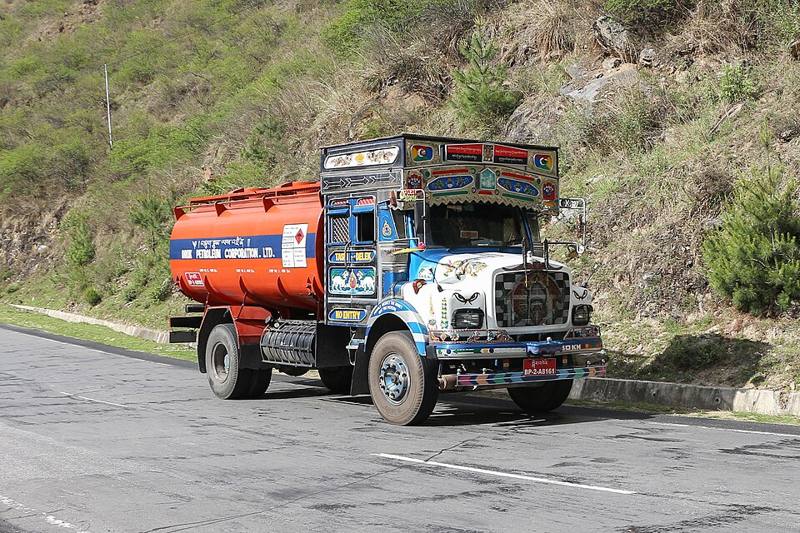
Tank trailers move liquids and gases in bulk: gasoline and diesel, milk, juice, liquid sugar, cooking oil, chemicals, compressed gases and more. Dry bulk products such as cement, flour and plastic pellets travel in pneumatic tanks that are unloaded with air pressure.
Why tankers drive differently
In a box trailer, cargo stays put if it is secured. In a partly full tank, liquid moves. When a tanker brakes, the liquid surges forward and pushes the truck; when it starts again or the driver releases the brakes, the liquid surges back. In turns it sloshes sideways. This surge can push a truck into an intersection, make it harder to stop, and raise rollover risk.
Tankers also have a high center of gravity, since the load is carried tall and round. Combined with surge, that makes ramps and curves especially dangerous at speed.
Baffles and compartments
Tank builders reduce surge with:
- Baffles: internal walls with holes that slow front-to-back movement. They do not stop side-to-side sloshing.
- Compartments: separate tanks within the trailer, often used to carry different products, such as several grades of fuel.
- Smooth-bore tanks: no baffles at all. Required for some food products like milk, because baffles make cleaning difficult. These have the strongest surge.
Outage
Liquids expand as they warm, so tanks are never filled completely. The unfilled space is called outage. How much is needed depends on the product and expected temperature changes. Drivers also must know product density, because a full tank of a heavy liquid can exceed weight limits.
Endorsements you may need
- N (tank vehicle): required in general for vehicles designed to carry liquids or gases in tanks above certain capacities.
- H (hazardous materials): required to haul placarded hazmat. Requires a knowledge test and a federal security threat assessment.
- X: a combination of N and H, common for fuel haulers.
See CDL endorsements explained for more.
Driving tips taught to tanker drivers
- Brake early and smoothly, then ease off gradually to reduce surge pushback.
- Take curves and ramps well below the posted speed, since posted speeds are set for cars.
- Leave even more following distance than in other trucks.
- Avoid sudden steering inputs, which can start a rollover.
- Know the product's hazards, emergency response information and the location of shutoff valves.
Hazmat and fuel hauling carry strict rules on placards, shipping papers, routing, parking and attendance. This guide is general education; follow the federal hazardous materials regulations, your carrier's training and the Emergency Response Guidebook.
Tank types at a glance
| Type | Carries | Notes |
|---|---|---|
| Petroleum tanker | Gasoline, diesel | Aluminum, compartments, bottom loading |
| Chemical tanker | Acids, solvents | Stainless or lined, often insulated |
| Food-grade tanker | Milk, juice, oils | Stainless, smooth bore, washouts required |
| Pressure tanker | Propane, compressed gases | Thick walls, round ends |
| Pneumatic dry bulk | Cement, flour, sand, pellets | Air-pressure unloading |
| Cryogenic tanker | Liquid nitrogen, oxygen | Heavily insulated, very cold |
Pay and lifestyle
Tanker jobs often pay more than dry van work and many are local or regional, with drivers loading at a terminal and delivering to fuel stations or plants. In exchange, drivers handle loading and unloading equipment, clean-out procedures and stricter safety programs.